







Search Results for: Coffee Exporting Countries
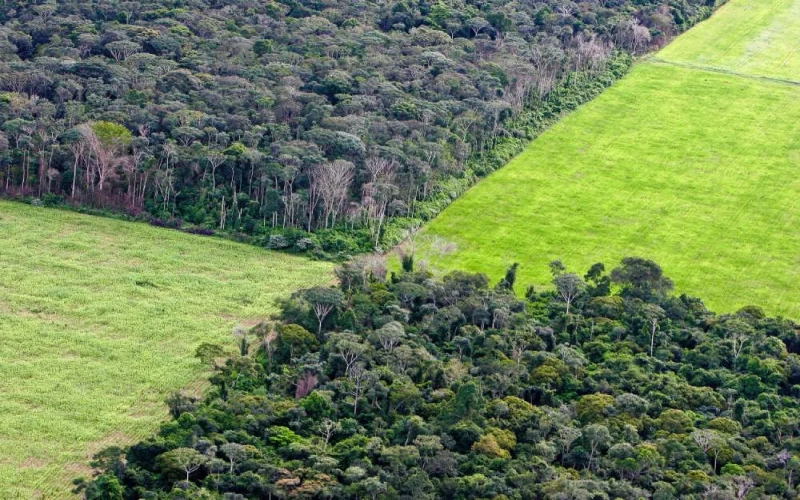
EU Proposes Postponing Deforestation Regulation Implementation and Considering Country-Risk Classification Management
The EU plans to postpone the deforestation regulation (EUDR) originally scheduled to take effect at the end of 2024, and intends to classify countries by risk level, giving producers and traders more time to adapt. The regulation requires traders to prove that their product supply chains do not involve deforestation after December 30, 2020, otherwise imports will be banned. As an industry closely linked to deforestation, the coffee sector will be significantly affected in producing countries such as Vietnam, Brazil, Indonesia, and Colombia, with export costs likely to rise substantially. The European Coffee Federation previously wrote to the European Commission requesting a postponement of implementation. The EU is currently discussing classifying exporting countries into three risk levels—low, standard, and high—with high-risk countries facing stricter scrutiny. Industry insiders worry that the classification system lacks flexibility, may unfairly penalize compliant exporters, and that small farms also face the risk of losing market access. Front Street Coffee will continue to monitor the progress of this regulation and its impact on the coffee industry chain. [more…]

The African Coffee Association calls for increasing the share of specialty process coffee exports and reducing traditional process exports.
At the 20th African Fine Coffee Conference held in Addis Ababa, officials from the African Coffee Association (AFCA) issued a clear call to traders: efforts should focus on promoting the export of specialty-processed coffee and gradually reducing the share of traditionally processed coffee in the international market. AFCA pointed out that Africa possesses world-class coffee resources, yet weak marketing and a single processing approach have made it difficult for growers to obtain fair returns. To change this situation, the association recommends that exporting countries strengthen brand building, upgrade processing technology, and pay close attention to external factors such as the EU Deforestation Regulation. Africa's coffee industry stands at a crossroads of transformation, and how to break through amid climate change and market access challenges has become the focus of attention for all parties. [more…]
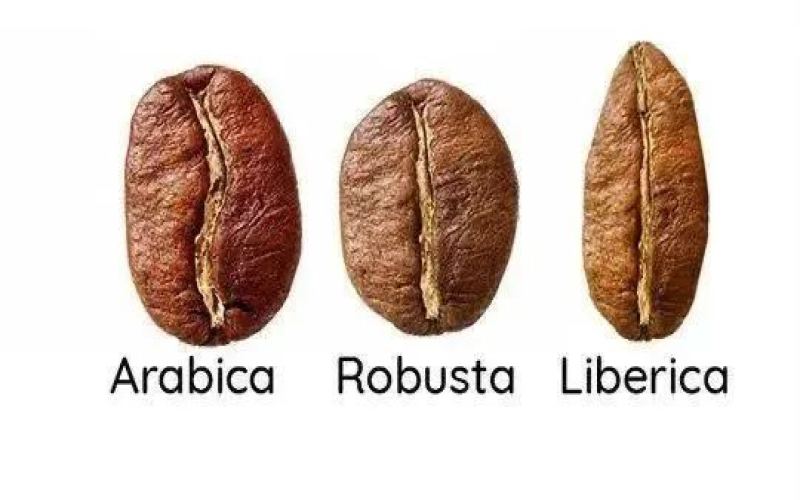
The Origins and Global Map of Robusta Coffee: An In-Depth Analysis of Its Birthplace and Major Producing Countries
In the global coffee landscape, Robusta holds its own against Arabica with roughly a forty percent market share. It originated in the Congo Basin of Africa and, thanks to advantages such as high yield, disease resistance, and drought tolerance, is widely cultivated in countries like Brazil, Vietnam, and Indonesia. Vietnam has leveraged this to leapfrog into becoming the world's second-largest coffee-producing country. This article will trace the history of Robusta's discovery, analyze its varietal characteristics, and examine the cultivation history and current status of major producing countries one by one. Whether you are a coffee enthusiast or a industry professional, you will gain a complete understanding of Robusta from this piece. Front Street Coffee will also recommend Robusta products worth paying attention to in this article. [more…]
A Complete Analysis of Honduran Coffee Regions, Estates, Flavors, Processing Methods, and Varieties: Exploring the Washed and Natural Taste of Front Street Coffee
Honduras, with its exceptional geographical conditions, has become one of the world's top ten coffee exporters. The country has 280,000 hectares of coffee plantations, predominantly smallholder farms, with a large portion of coffee beans coming from micro-farms of less than 3.5 hectares. Front Street Honduras Coffee selects premium cherries and uses the washed processing method: beans are soaked and floated to remove defective ones, then a depulper separates the skin and screens the beans, and finally they are dried in the sun, creating a delicate fruity aroma and balanced flavor. This coffee has medium to light acidity, mild bitterness, and a pronounced sweet aftertaste, often accompanied by floral or fruity notes, with each altitude and region offering its own characteristics. This article will provide a comprehensive introduction to the origins, processing methods, flavor profile, and variety characteristics of Honduran coffee. [more…]
A Complete Analysis of Brazilian Coffee Flavor Characteristics, Major Producing Regions, and Variety Grading: From Bourbon to Pulped Natural Processing
Brazil is one of the top three coffee-producing and exporting countries in the world. Its coffee is known for a balanced, smooth profile with nutty and chocolatey notes. Although it is not as distinctive as Indonesian Mandheling or Ethiopian Yirgacheffe, it represents a cup of "authentic coffee." From the perspective of Front Street Coffee, this article systematically reviews Brazil's main coffee varieties (Bourbon, Mundo Novo, Catuai), four core producing regions (Minas Gerais, Sao Paulo, Bahia, Espirito Santo), its unique pulped natural processing method, and the rise of specialty coffees such as Queen's Farm. It also analyzes how Brazil's flat terrain affects flavor and compares it with high-altitude Colombian coffee. Whether you are a coffee enthusiast or a professional in the industry, you can gain an understanding of the underlying logic and quality potential of Brazilian coffee. [more…]
How Is Colombian Coffee Different from Arabica Beans? A Full Analysis of Origins, Processing Methods, and Flavor Differences
Arabica and Colombian coffee are often lumped together, but they actually represent the relationship between a variety and a place of origin. Arabica is the world's predominant coffee bean species, while Colombian coffee is Arabica beans grown in Colombia, with a distinctive flavor due to its terroir and an extra washing step. This article will clarify the differences between Arabica and Robusta, explain how origin, altitude, soil, and climate affect coffee flavor, and explain why Colombian coffee undergoes an additional processing step. If you want to know which is better, Colombian or Arabica, the answer is not a simple either-or choice, but rather an understanding of how variety and origin together shape the flavor in your cup. Those who enjoy pour-over coffee can also check out Front Street Coffee's related bean recommendations. [more…]

Illustrated Guide to the Correct Way to Brew Drip Bag Coffee | Is Drip Bag Filter Coffee Black Coffee? Can Drip Bag Coffee Be Brewed Twice?
Recently, many friends have purchased drip bag coffee and asked for brewing recommendations. Although drip bag coffee is convenient, it can feel unfamiliar to those who have never encountered it before. Front Street is here to share how to brew drip bag coffee! The history of drip bag coffee: In 2001, Japan's UCC Ueshima Coffee invented drip bag coffee. [more…]

Introduction to the Development of Drip Bag Coffee | Is Drip Bag Filter Coffee Pure Black Coffee? How Many Times Can a Drip Coffee Bag Be Brewed? Which Coffee Beans Are Suitable for Making Drip Coffee Bags?
Recently, many friends have been buying drip bag coffee and asking for brewing recommendations. Although drip bag coffee is convenient, those who have never encountered it before may find it unfamiliar. Front Street is here to share how to brew drip bag coffee! The history of drip bag coffee: In 2001, Japan's UCC Ueshima Coffee invented drip bag coffee. [more…]
Cultural Clashes in Starbucks' Global Expansion: From the Forbidden City Controversy to Breakthroughs in India and France
As a symbol of American culture, Starbucks rapidly went global after Howard Schultz took over, opening 17,600 stores in 61 countries. However, when Starbucks entered countries with deep cultural traditions such as China, India, and France, it frequently encountered cultural resistance and controversy. From being forced to withdraw from its Forbidden City store, to the long wait in the Indian market, to the French people's steadfast defense of traditional cafés, Starbucks, while exporting American coffee culture, has also had to face the stubborn resistance of local cultures. This article will walk you through Starbucks' path of cultural conflict and integration around the world, and explore the balance between business expansion and cultural respect. [more…]
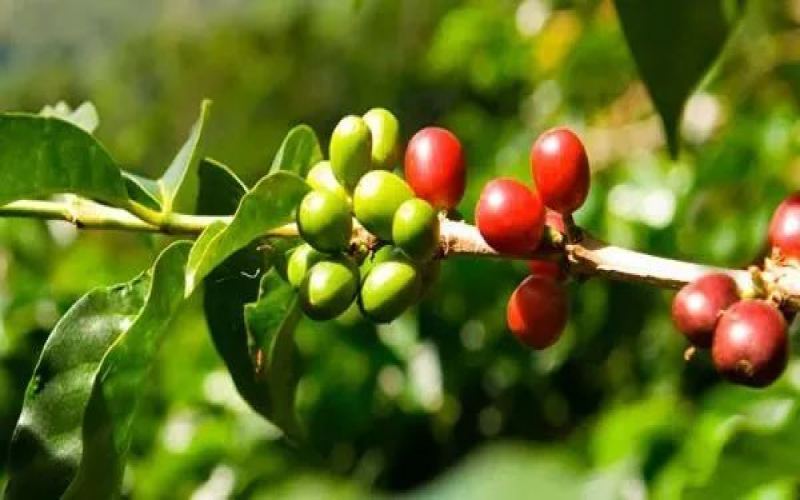
Fairtrade partners with Satelligence to expand satellite monitoring network for coffee origins under the EU's new deforestation-free rules
After the EU's Zero Deforestation Regulation took effect, the threshold for exporting coffee to the European market has been significantly raised. The international Fairtrade organization recently announced a partnership with remote sensing technology company Satelligence to expand satellite monitoring to all certified coffee producer organizations worldwide, helping cooperatives and their smallholder members directly access deforestation risk data. This move is intended to break the monopoly of large corporations on supply chain information, enabling producers to proactively prove that their coffee is not linked to deforestation and thereby retain access to the EU market. This article reviews the background of the partnership, the requirements of the regulation, and various perspectives, and includes related recommendations from Front Street Coffee. [more…]

A Flavor Showdown of Coffee-Producing Countries: An In-Depth Review of Ten Specialty Coffees from Ethiopia to Yunnan
As one of the most popular beverages in the world, coffee's flavor expression is closely tied to the terroir of its origin. Coffee beans from different countries each have their own distinctive characteristics in terms of quality, aroma, and taste. This article selects representative coffee beans from ten major producing regions—including Ethiopia, Kenya, Guatemala, Panama, Colombia, Costa Rica, Brazil, Jamaica, and Yunnan, China—and analyzes each one's origin information, variety characteristics, processing methods, and brewing flavor. Whether you prefer bright fruity acidity or are fond of rich, nutty notes, this roundup will help you find your ideal choice. [more…]

Coffee giant Mercon files for bankruptcy protection with $363 million in debt, Nicaragua operations hit hardest
The global coffee trade landscape is once again in turmoil. Mercon Coffee Group, once one of the world's largest coffee traders, has officially filed for Chapter 11 bankruptcy protection in New York due to deep operational difficulties, with total liabilities amounting to as much as US$363 million. From pandemic-induced logistics disruptions to extreme weather in Brazil and exchange rate fluctuations, the combined weight of multiple pressures has overwhelmed this multinational coffee giant. Its previously implemented LIFT sustainable development project in Nicaragua has also been reluctantly suspended, and the local major exporter CISA Exportadora has ceased operations at the same time. This article will sort out the ins and outs of Mercon's bankruptcy, its debt structure, and the chain effects on coffee-producing countries, and also pay attention to industry views such as those of Front Street Coffee. [more…]
A Complete Analysis of Bolivian Coffee Regions: From Java Variety to the Rodriguez Family's Specialty Journey
Although Bolivia is hailed as an ideal place for growing coffee, its production has always remained low, and it even once became a minor coffee country. Yet the coffee flavors nurtured on this land are stunning—rich sweetness and soft acidity make it stand out in the specialty coffee world. Front Street Coffee has introduced several Bolivian beans, among which the Java variety cultivated by the Rodriguez family is especially striking, known as Geisha's cousin. This article will guide you through the regional characteristics, development history, and cultivation models of Bolivian coffee, and provide an in-depth analysis of the Coco Natural Java coffee beans from Waliki Estate, from variety tracing to processing innovation, exploring the coffee charm of this landlocked South American country. [more…]
Tracing the History of Coffee Cultivation in Costa Rica: The Central American Birthplace and an Analysis of the Tarrazú Mirazú Estate
Costa Rica was the first country in Central America to cultivate coffee. Its coffee industry has developed since the mid-18th century and is renowned for its well-established organizational system and world-class quality. The country's seven main producing regions are distributed along the Central Plateau from northwest to southeast. Volcanic ash soil, mild temperatures, and abundant rainfall create exceptionally favorable growing conditions. The coffee beans produced are all Arabica, with pure flavor, pleasant aroma, and an excellent balance of acidity and body, making them suitable both as single-origin coffee and for blending. This article will trace the origins of coffee in Central America, explain in detail the cultivation altitudes, harvest seasons, and cupping performance of Costa Rica's producing regions, and focus on the world-famous Tarrazu region and Mirazu Estate, while also offering related recommendations from Front Street Coffee. [more…]
Flavor Analysis of Colombia's Five Major Specialty Coffee Regions: Key Points for Washed Coffee Brewing and Roasting
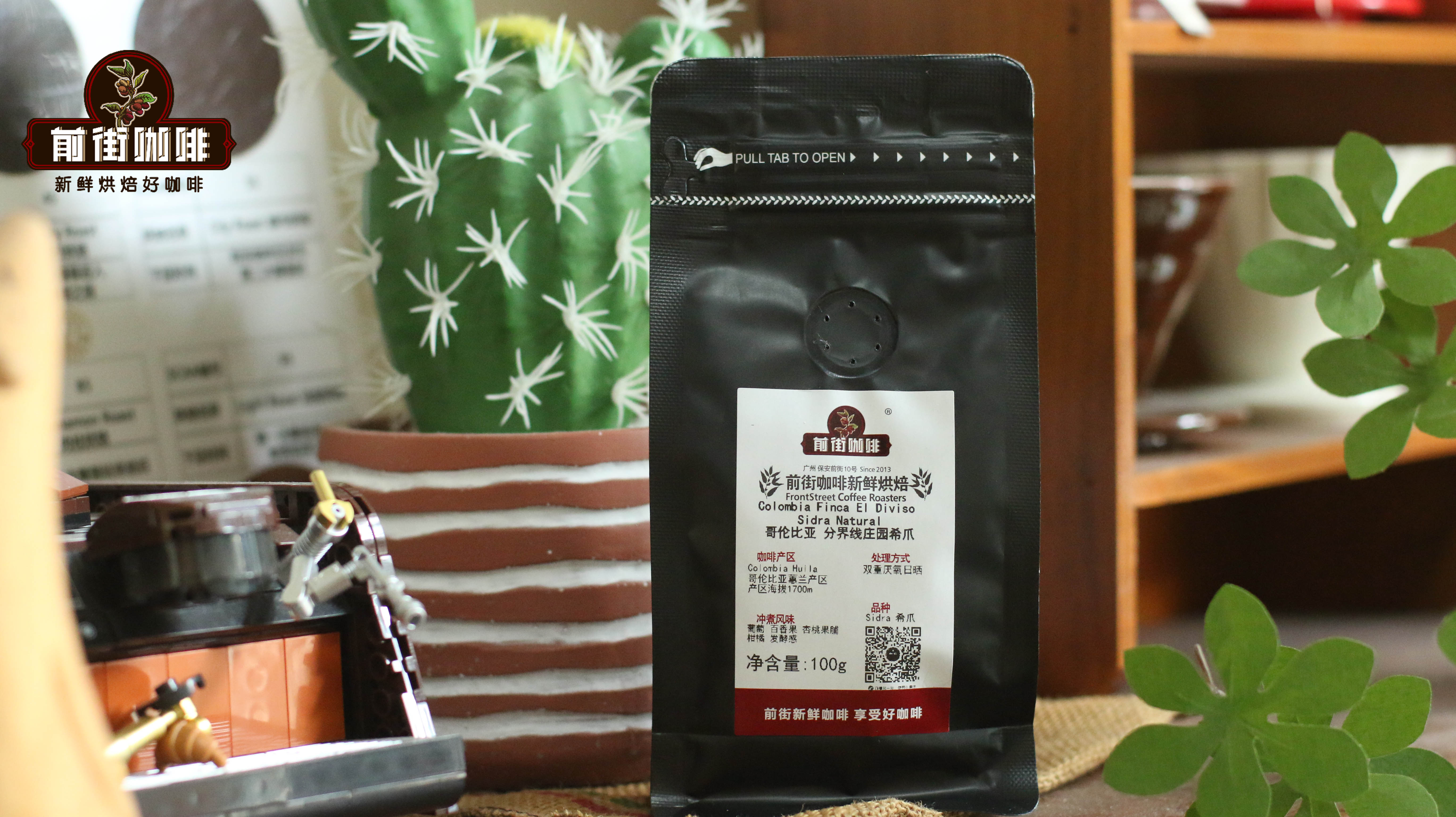
Colombia, with its advantageous location featuring ports on both the Atlantic and Pacific, has become a major coffee-exporting country in South America. Its specialty coffee is mainly concentrated in the Eastern and Central Cordilleras, as well as in the southern regions of Huila, Cauca, and Nariño. This article reviews the flavor characteristics of five producing regions—Medellín, Santander, Huila, Cauca, and Nariño—and includes roasting and brewing parameters for several Front Street Coffee Colombian beans, with specific recommendations for Rose Valley, Huila, Cherry Blossom, and others, for coffee lovers' reference. [more…]

Mocha Coffee Beans, Mocha Beverages, and the Moka Pot: The Different Origins and Naming of Three "Mochas"
The word mocha appears repeatedly in the coffee world—mocha coffee beans, espresso mocha, and the moka pot. The three seem to share the same origin, but in fact their births span one to two centuries, and they have no direct brewing connection to one another. The clue that truly links them points to the port of Mocha in Yemen, which long ago ceased exporting coffee. This article starts from history and sorts out the origins of each of the three mochas one by one: how mocha coffee beans got their name from the port, why espresso mocha uses chocolate to imitate the flavor of days gone by, and why the moka pot borrowed the name mocha. At the same time, for friends who want to make good coffee with a moka pot, it also offers suggestions on choosing fresh medium-dark roasted beans. [more…]
A Complete Analysis of Honduras Coffee Region Classifications: The Six Major Regions and Detailed Explanation of SHG and EP Grade Standards
Honduras, through continuous investment in green bean processing and transportation in recent years, has risen to become the second-largest coffee exporter in Central America and the tenth-largest globally, harvesting approximately three million bags of coffee beans each year. Front Street Coffee's Honduran coffees cover six major regions: Copán, Opalaca, Montecillos, Comayagua, Tropical Acata, and El Paraíso, with an average cultivation altitude exceeding 1,100 meters. This article will systematically introduce the origin distribution, variety composition, export markets, and the two major quality grading standards, SHG and EP, of Honduran coffee, helping coffee enthusiasts gain a comprehensive understanding of the unique charm of this emerging Central American origin. [more…]
How Are Green Coffee Beans Graded? A Full Breakdown from Ethiopia G1 to Kenya AA and Blue Mountain No. 1
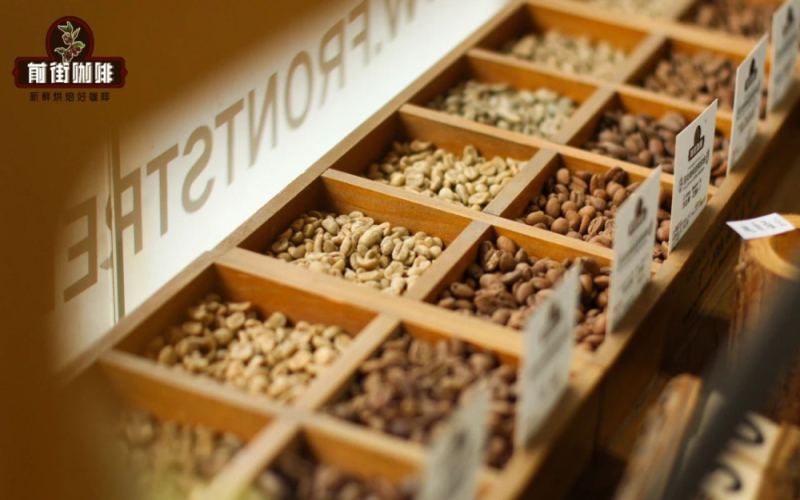
Friends who frequently buy coffee beans have surely seen labels like Yirgacheffe G2 and Kenya AA. These letters and numbers actually represent the grade of green coffee beans. Since each coffee-producing country has established different grading systems, the evaluation criteria also vary in emphasis—factors such as bean size, proportion of defective beans, growing altitude, bean hardness, and cupping score can all serve as the basis for grading. In this article, Front Street Coffee will walk you through the green bean grading rules of representative producing countries including Ethiopia, Kenya, Tanzania, various Central and South American countries, Colombia, Brazil, and Jamaica, helping you understand the grade labels on packaging the next time you shop. [more…]
A Panoramic Overview of Latin American Coffee Origins: From Brazil and Colombia to Niche Producers Like Cuba and the Dominican Republic
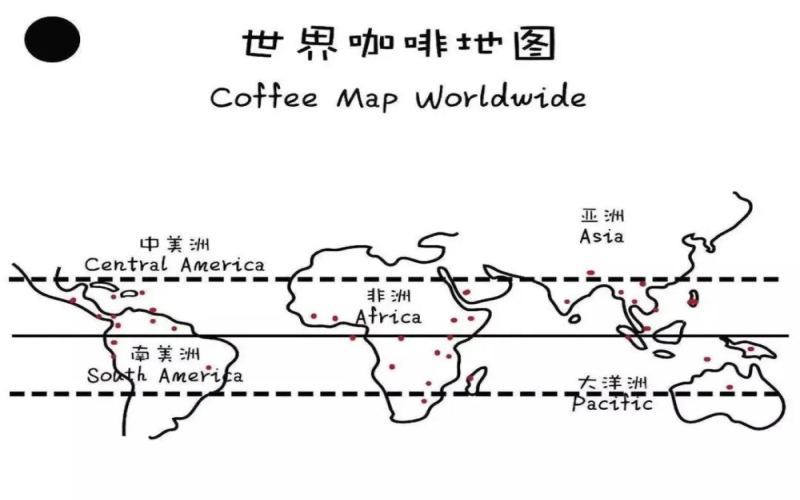
Coffee trees cannot be grown just anywhere in the world. They only grow in a narrow belt between the Tropic of Cancer and the Tropic of Capricorn, commonly known as the "Coffee Belt." This golden growing belt nurtures three major coffee-producing regions—Latin America, Asia-Pacific, and Africa. Among them, Latin America covers Mexico, Central America, the West Indies, and South America, and is known for its balanced, rich, and full-bodied flavors. The region includes thirty-three countries and several non-independent territories. It is home to major producers such as Brazil, Colombia, Costa Rica, Guatemala, and Panama, as well as relatively niche origins such as Cuba, the Dominican Republic, Venezuela, and Hawaii in the United States. Front Street Coffee will guide you through the coffee history and current situation of these countries one by one. [more…]
An Analysis of the Sulawesi Coffee Region in Indonesia: From the Toraja People to Specialty Flavors
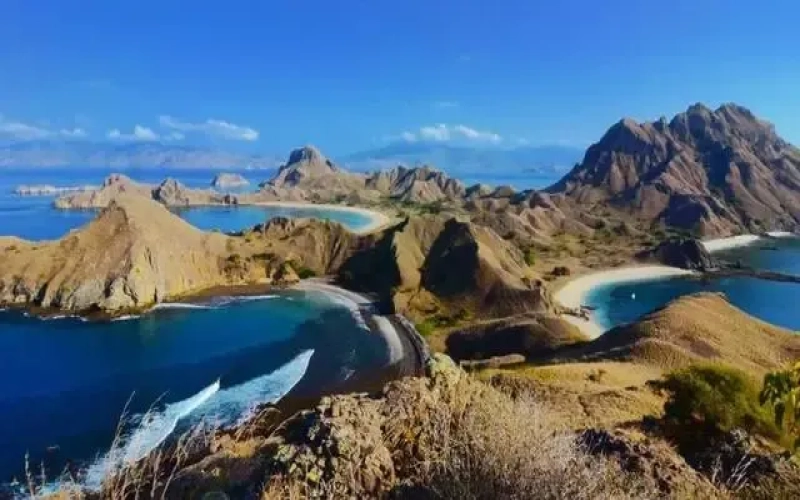
Asia is vast, with diverse terrain and climatic conditions, nurturing several important coffee-producing countries, and Indonesia is among the foremost, ranking fourth in global production. Indonesia's coffee landscape is divided by islands. Sumatra is renowned for Mandheling, but Sulawesi also produces high-quality coffee beans. This article will guide you through the history of coffee cultivation in Indonesia, the evolution of varieties, and natural conditions, with a focus on Sulawesi—a mountainous island shaped like the letter K—introducing the Toraja people known for coffee cultivation, and the bright, complex specialty coffee in their hands. [more…]